World Cup Champions to Receive Custom Rings, Sparking Heated Debate Among Soccer Fans
The topic of World Cup Champions raises many questions. The 2026 World Cup final on Sunday will introduce a brand-new tradition to international soccer, as the winning team is set to receive commemorative rings in a style long associated with American professional sports. The decision has sparked immediate and intense reaction from fans across the globe, with many expressing strong disapproval of the move.
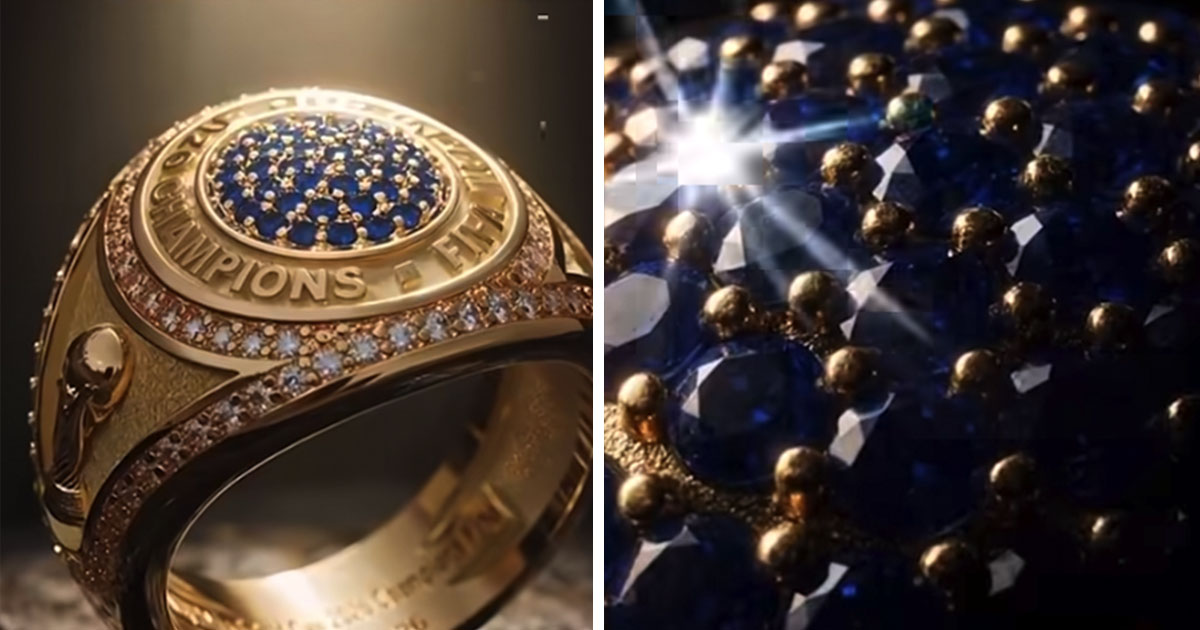
FIFA confirmed that the captain and head coach of the championship-winning side will be presented with temporary rings immediately following the final match at MetLife Stadium in New Jersey. The remaining members of the victorious squad will receive their own custom-fitted rings at a later date, with a total of 30 rings being produced for the team.
The design of each ring will incorporate a miniature replica of the World Cup trophy, alongside an engraving that is meant to reflect the cultural identity of the nation that lifts the title. In addition to the rings made for the players and coaching staff, a separate batch of nearly 2,000 rings will be made available for purchase by supporters of the winning country.
American Tradition Meets Global Soccer Culture
The concept of championship rings is a deeply rooted custom in American sports leagues, particularly in the National Football League, where Super Bowl winners have received such jewelry for decades. However, this practice has no historical equivalent in international soccer, and the announcement has prompted a wave of criticism from fans who view it as an unwelcome departure from the sport’s traditions.
Social media platforms have become a gathering place for discontent, with many supporters voicing their frustration over the decision. One fan took to X to express a strong opinion, stating that the United States should never again be considered as a host nation for the World Cup. Another critic suggested that the introduction of rings was part of a larger trend of Americanizing the tournament, pointing also to the recent implementation of hydration breaks that divide play into quarters.
A third commentator was even more blunt in their assessment, calling the move a disgrace and emphasizing that the World Cup is not the NFL. The backlash highlights a cultural clash between the traditions of global soccer and the commercial and ceremonial practices common in American sports.
Presidential Presence at the Final
Adding to the distinctive nature of this year’s final, President Donald Trump is scheduled to be in attendance at the championship match. In a notable ceremonial role, the President will personally present the World Cup trophy to the captain of the winning team after the conclusion of the game.
The White House has been vocal in its praise for the tournament’s execution. Press Secretary Karoline Leavitt characterized the event as the most watched, most secure, and most successful World Cup in American history. Her comments underscore the administration’s strong support for the tournament and its outcomes.
The presence of the President at the final and his involvement in the trophy presentation marks a significant moment for the event, further blending the worlds of international sports and American political ceremony. The decision to have the President hand over the trophy adds another layer of American influence to a tournament that has already seen several firsts.
Future Hosting Prospects and Tournament Expansion
Looking beyond Sunday’s final, the United States is already positioning itself for a potential return as a host nation in the future. There is active consideration of a bid to host the World Cup again in 2038, a move that would build on the infrastructure and experience gained from the current tournament.
FIFA is also exploring the possibility of expanding the tournament format even further, with discussions underway about increasing the number of participating teams from the current 48 to as many as 64. Such an expansion would represent a significant change to the structure of the competition and would have major implications for future editions of the World Cup.
Andrew Giuliani, who serves as the executive director of the White House’s World Cup task force, recently addressed the possibility of a future US bid. He expressed confidence in the nation’s ability to handle the demands of hosting the event again, while also noting the importance of first successfully completing the current tournament.
World Cup Champions: Mixed Reactions and the Path Forward
The announcement of the championship rings has clearly struck a nerve with the global soccer community, revealing a divide between American sports culture and the traditions that have defined the World Cup for generations. While some may view the rings as a fitting tribute to the champions, many fans see it as an unnecessary and unwelcome change.
The criticism on social media reflects a broader concern among international supporters that the tournament’s unique character is being diluted by American influences. The references to hydration breaks and the ceremonial role of the President suggest that this year’s World Cup has introduced several elements that differ from previous editions.
Despite the backlash, the decision stands, and the winning team will indeed receive their rings as part of the championship celebration. The long-term impact of this new tradition remains to be seen, and it is unclear whether the practice will be continued in future World Cups or if it will be abandoned after this single instance.
For now, the focus remains on the final match itself, with Spain and Argentina set to compete for the sport’s ultimate prize. The outcome of the game will determine which nation’s culture is celebrated in the ring design, and which captain will receive the trophy from the President’s hands.
The debate over the rings is likely to continue in the days following the final, as fans and officials alike weigh in on whether this American tradition has a place in the global game. The reaction from the soccer community suggests that this is a topic that will not be easily forgotten, and it may well influence decisions about future tournaments.
As the World Cup prepares to crown its champion, the introduction of the rings has added an unexpected layer of controversy to the proceedings. Whether the gesture is seen as a respectful honor or an unwanted imposition, it has certainly succeeded in generating conversation and ensuring that this final will be remembered for more than just the scoreline.
The coming weeks will reveal how the winning team and its fans receive the rings, and whether this experiment in cultural fusion will be embraced or rejected by the wider soccer world. For now, the stage is set for a historic final, with both the match and the ceremony surrounding it poised to make headlines around the globe.
