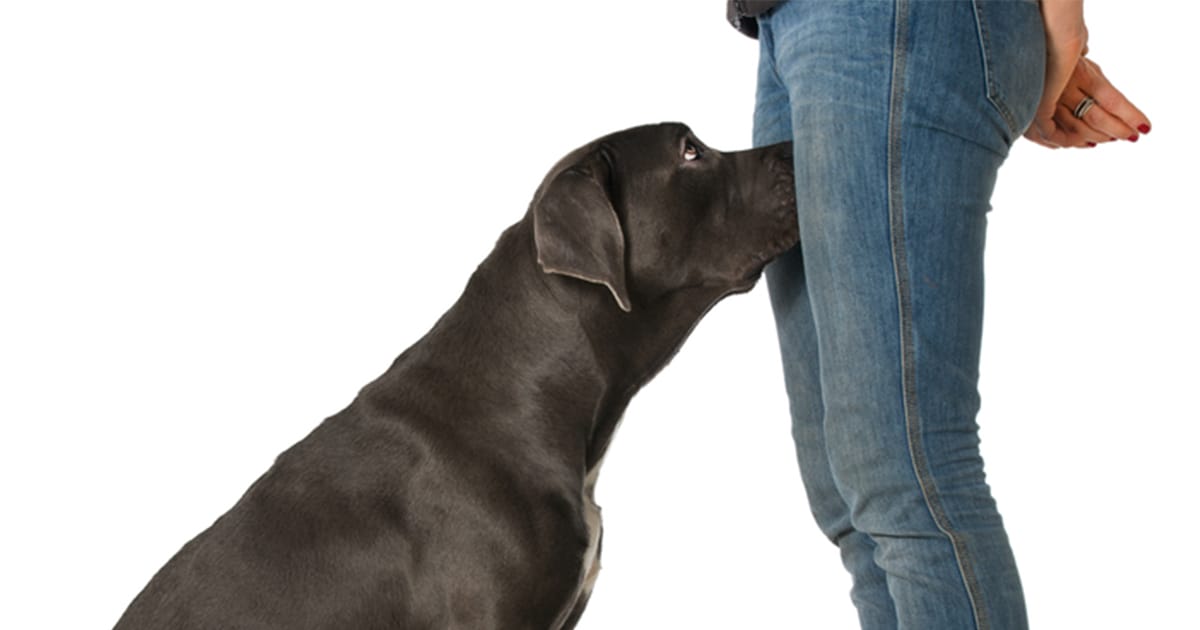
Why Dogs Sniff Your Private Areas and How to Handle It Gracefully
The topic of Dogs Sniff Private Areas raises many questions. Few things in pet ownership are quite as awkward as the moment a dog decides to investigate a guest’s most private area with great enthusiasm. It is a scene that plays out in living rooms everywhere, leaving owners mortified and visitors unsure where to look.
While this behavior is completely natural for dogs, it can still be uncomfortable for the humans involved. Understanding why dogs engage in this habit is the first step toward managing it effectively without harming the bond you share with your pet.
The Canine Nose: A World of Scent
Dogs experience the world in a way that is fundamentally different from humans. Their primary tool for understanding their environment is their nose, which is remarkably more powerful than our own. A dog’s sense of smell is so advanced that it allows them to detect things that are entirely invisible to us.
The biological basis for this extraordinary ability lies in the sheer number of scent receptors. A dog’s nose contains an estimated 220 million scent receptors, which is roughly 50 times more than the number found in a human nose. This incredible biological equipment means that dogs are constantly reading a rich tapestry of information through scent, much of which we cannot even begin to perceive.
Because of this, sniffing is not just a casual habit for dogs. It is their primary method of gathering information, communicating with other animals, and understanding the world around them. Every person they meet presents a complex profile of scents, and dogs are naturally driven to investigate.
The Draw of Strong Scents
When a dog focuses its attention on a person’s crotch area, it is not being deliberately rude or inappropriate. The behavior is driven by a combination of biological instincts and practical convenience. Dogs are naturally drawn to strong odors, and the human body produces a variety of scents that are particularly interesting to them.
The area around the crotch is home to apocrine sweat glands. These glands produce a type of sweat that is stronger and more pungent than the sweat found in other parts of the body. While similar glands are located in the armpits and on the chest, those areas are often less accessible to a dog during a standard greeting. The crotch, however, presents a concentrated scent source that is easy for a dog to reach.
For medium and large dogs, the height of the crotch is particularly convenient. It is at the perfect level for a quick investigative sniff, making it a natural target. This combination of a strong, interesting scent and easy access makes the area a prime spot for a curious dog to focus on.
More Than Just a Greeting
It is important to understand that when a dog sniffs a person in this way, it is trying to learn something. The scent profile that a dog picks up can tell it a great deal about a person, including information about their mood, health, and even where they have been. For a dog, this is a normal and necessary part of meeting someone new.
This is why dogs also greet each other by sniffing. It is their version of a handshake or a polite introduction. When your dog turns this same behavior toward a human guest, it is treating them with the same curiosity and interest it would show another animal. The dog is not trying to cause embarrassment; it is simply following its natural instincts.
In many ways, this behavior is a sign that your dog is comfortable and using its senses in a completely normal way. It is a sign of a healthy, curious animal that is engaged with its environment. However, understanding the reason behind the behavior does not always make it easier to accept when it happens in front of company.
Redirecting the Behavior Gently
While this sniffing is natural, it is perfectly reasonable to want to discourage it. No one wants to deal with the awkwardness of a dog getting too close to a guest in this manner. The good news is that there are effective and humane ways to redirect this behavior without resorting to punishment.
The most important thing to remember is that discipline is not the answer. Scolding a dog for sniffing can be counterproductive. Dogs do not understand why they are being scolded in this context, and it can lead to confusion, anxiety, and stress. Instead of teaching the dog not to sniff, it may simply teach the dog to be afraid of guests or of certain situations.
A far better approach is to redirect the dog’s attention to a more appropriate activity. Since the urge to sniff is instinctual, the goal is to give the dog an acceptable outlet for that instinct. This could involve offering a toy, engaging the dog in a game, or simply asking the dog to perform a command it knows well.
By giving your dog something else to do with its nose and energy, you can prevent it from focusing on your guests. This approach satisfies the dog’s natural curiosity while also protecting your guests from an awkward encounter.
Teaching Polite Greetings
Another highly effective strategy is to teach your dog a new way to greet people. Training a dog to perform a specific behavior when guests arrive can keep it occupied and prevent it from resorting to sniffing. The key is to reinforce the behavior you want to see, rather than simply punishing the behavior you do not want.
One of the simplest and most effective commands to use is “sit.” By reinforcing the “sit” command as guests walk through the door, you give your dog a clear job to do. This simple action keeps the dog focused and prevents it from getting into a position where it can easily sniff a guest’s private area.
For those who want to add a bit more fun to the greeting, teaching a dog to offer a high-five can be a great alternative. This gives the dog a positive way to interact with guests that is both cute and appropriate. The process involves rewarding the dog each time it offers the desired behavior, which encourages it to repeat that behavior in the future.
Over time, the dog learns that polite greetings are more rewarding than sniffing. With consistent training and positive reinforcement, the dog will naturally choose the behavior that earns it praise and treats.
Dogs Sniff Private Areas: Building a Better Bond
Ultimately, the goal is not to suppress your dog’s natural instincts, but to guide them into more socially acceptable channels. When your dog sniffs you or a guest, it is not being malicious. It is simply trying to understand the world through its most powerful sense. Recognizing this can help you respond with patience rather than frustration.
If the behavior is making you or your visitors uncomfortable, there is no need to simply tolerate it. By using positive reinforcement and consistent training, you can teach your dog to greet people in a way that is respectful of personal space. This not only makes social situations more comfortable for everyone involved, but it also strengthens the bond between you and your pet.
A dog that trusts its owner and understands what is expected of it is a happier and more confident animal. Training sessions that focus on positive reinforcement build trust and communication. Every time you successfully redirect your dog’s attention or reward a polite greeting, you are reinforcing the connection you share.
In the end, a little understanding goes a long way. The next time your dog gives someone an overly enthusiastic sniff, remember that it is just doing what comes naturally. With patience and the right training techniques, you can help your dog express its curiosity in a way that is far more welcome. This approach ensures that everyone, including your dog, can enjoy a comfortable and happy interaction.
