Tennessee Mother Charged With Murder After Fatal Shooting of Man Found in Daughter’s Bedroom
The topic of Daughter’s Bedroom raises many questions. A Memphis woman is facing serious criminal charges following a deadly encounter that occurred in the early morning hours inside her own home. The incident, which has drawn widespread public attention, began with a terrifying discovery and ended in a fatal shooting that authorities have since deemed unlawful.
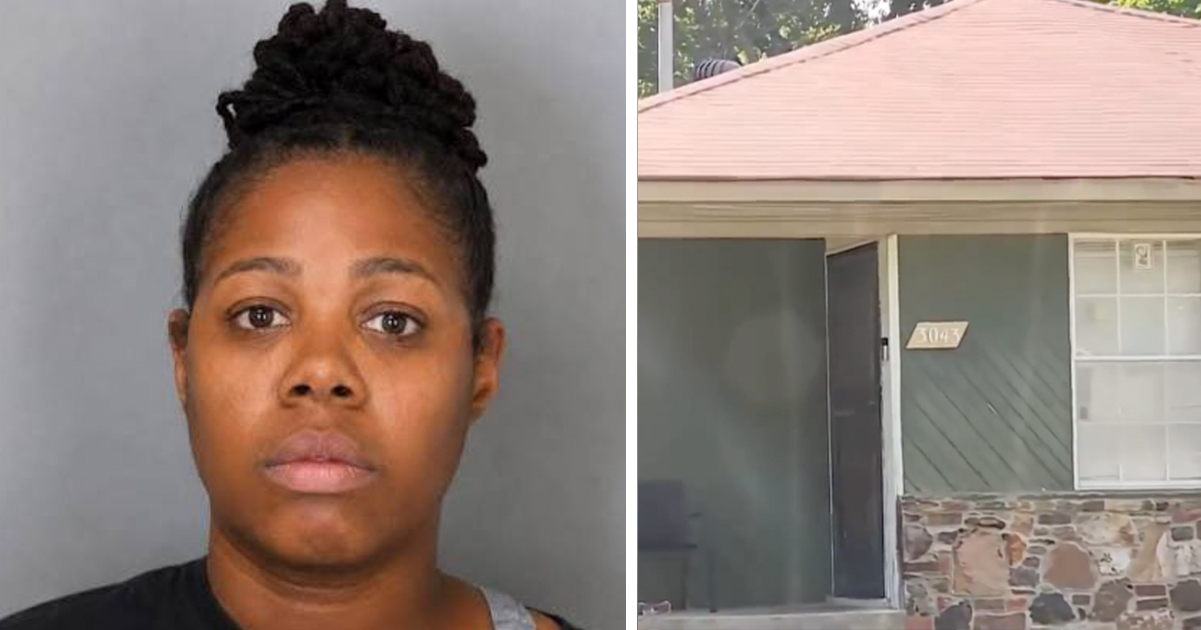
Police have identified the suspect as 36-year-old Kendra Scott. She is now being held in connection with the death of 20-year-old Rodderius Morton, who was found with a critical injury outside her residence. The case has raised complex questions about self-defense, parental instincts, and the limits of the law.
Details of the Fatal Encounter
Law enforcement officers were dispatched to the scene in the early hours of July 16 following reports of a shooting. Upon arrival, they discovered Morton lying in the front yard of the property. He had sustained a gunshot wound to the back of the head and was pronounced dead at the location.
According to the arrest affidavit, the investigation quickly led officers to Scott, who was taken into custody. She now faces charges of first-degree murder as well as a count of employing a firearm during the commission of a dangerous felony.
The events that led to the shooting reportedly began when Scott returned to her home. She told investigators that she discovered an intruder hiding in a bedroom, specifically under the bed of her 13-year-old daughter. Her account of the moment was direct, as she described finding a man in that location before the situation escalated.
Statements From Those Involved
During her interaction with police, Scott allegedly made statements indicating she felt compelled to act. She reportedly told officers that she discovered the man under her child’s bed and asserted that she did what she had to do in that moment.
Investigators also spoke with Scott’s daughter, who provided additional context about the incident. The teenager told police that she had invited Morton into the home shortly before her mother arrived. She also expressed fear about the situation, noting that her mother had previously given her clear instructions not to bring boys into the house.
The sequence of events, as described in court documents, indicates that an argument took place between Scott and Morton after she found him hiding. The confrontation reportedly continued as Morton left the home, with the shooting occurring outside the residence.
Witness Accounts and Evidence
A neighbor who was in the area at the time provided a statement to police. The witness reported hearing a single gunshot and then observing Scott standing nearby while holding a firearm. This account helped corroborate the timeline of events as described by investigators.
The circumstances of the shooting have sparked considerable discussion, particularly regarding how a parent might react to finding an unknown adult in a child’s bedroom. The case has become a topic of heated debate among the public, with many people expressing sympathy for Scott’s position.
Legal Arguments and Defense
Scott’s legal representation has characterized the situation as an extreme emotional challenge. Her attorney described the discovery as the worst nightmare for any parent of a young girl. The defense has raised the question of whether any person could be expected to maintain rational thought under such shocking circumstances.
However, legal experts and observers have noted that the severity of the charges indicates prosecutors believe the evidence does not support a claim of legal justification. The decision to file first-degree murder charges suggests that authorities do not view the shooting as a clear-cut case of self-defense.
Understanding Tennessee’s Castle Doctrine
Tennessee law includes provisions commonly referred to as the Castle Doctrine, which allows individuals to use force to protect themselves and others inside their residence. This legal principle generally applies when a person believes an intruder has entered the home to commit a felony.
The application of this doctrine to Scott’s case has been questioned by those with expertise in firearms law and self-defense. A retired law enforcement officer and self-defense trainer offered an analysis of the situation, pointing out that the affidavit does not allege that Morton threatened Scott or anyone else at the time of the shooting.
This distinction could prove critical in court. The lack of an immediate threat may undermine a self-defense argument, as the legal standard typically requires a reasonable belief that force is necessary to prevent imminent harm. The specific facts of the case will likely be examined closely by the court and potentially by a jury.
Community Reactions Divided
Residents in the neighborhood where the shooting occurred have expressed mixed feelings about the incident. Some neighbors who knew Scott described her as a pleasant person, expressing sadness over the situation. One local resident voiced sympathy for Scott’s position, noting the distress of discovering someone in the home with her children.
Other community members took a different view, suggesting that a different course of action could have been taken. One neighbor, who chose to remain anonymous, stated that they would have contacted law enforcement rather than taking matters into their own hands. This neighbor suggested that police could have been waiting at the home when Scott arrived, allowing for a peaceful resolution.
Daughter’s Bedroom: Court Proceedings Ahead
Scott is currently being held without bond as the legal process moves forward. She is scheduled to appear in court on Monday, where the case will continue to develop. The proceedings are expected to draw significant attention given the circumstances surrounding the shooting.
The case highlights the complex intersection of parental protection instincts and criminal law. While many can understand the fear and anger a mother might feel upon finding a stranger with her child, the legal system must determine whether the use of deadly force was justified under the specific facts of this case.
The distinction between a justifiable shooting and a criminal act often hinges on the perceived threat at the moment force is used. In this instance, the fact that Morton was leaving the residence when he was shot may prove to be a significant factor in the legal analysis.
As the case proceeds through the court system, the details will continue to be examined. The outcome could have implications for how similar situations are handled in the future, particularly when it comes to the use of force against individuals found on private property.
The legal process will now determine whether Scott’s actions were a tragic but understandable response to a frightening situation, or whether they crossed the line into criminal conduct. The coming weeks will provide more clarity as evidence is presented and arguments are made in court.
This case serves as a reminder of the serious consequences that can follow from split-second decisions made under extreme emotional stress. While the debate over the shooting continues, the legal system will now work to establish the facts and render a judgment based on the law.
