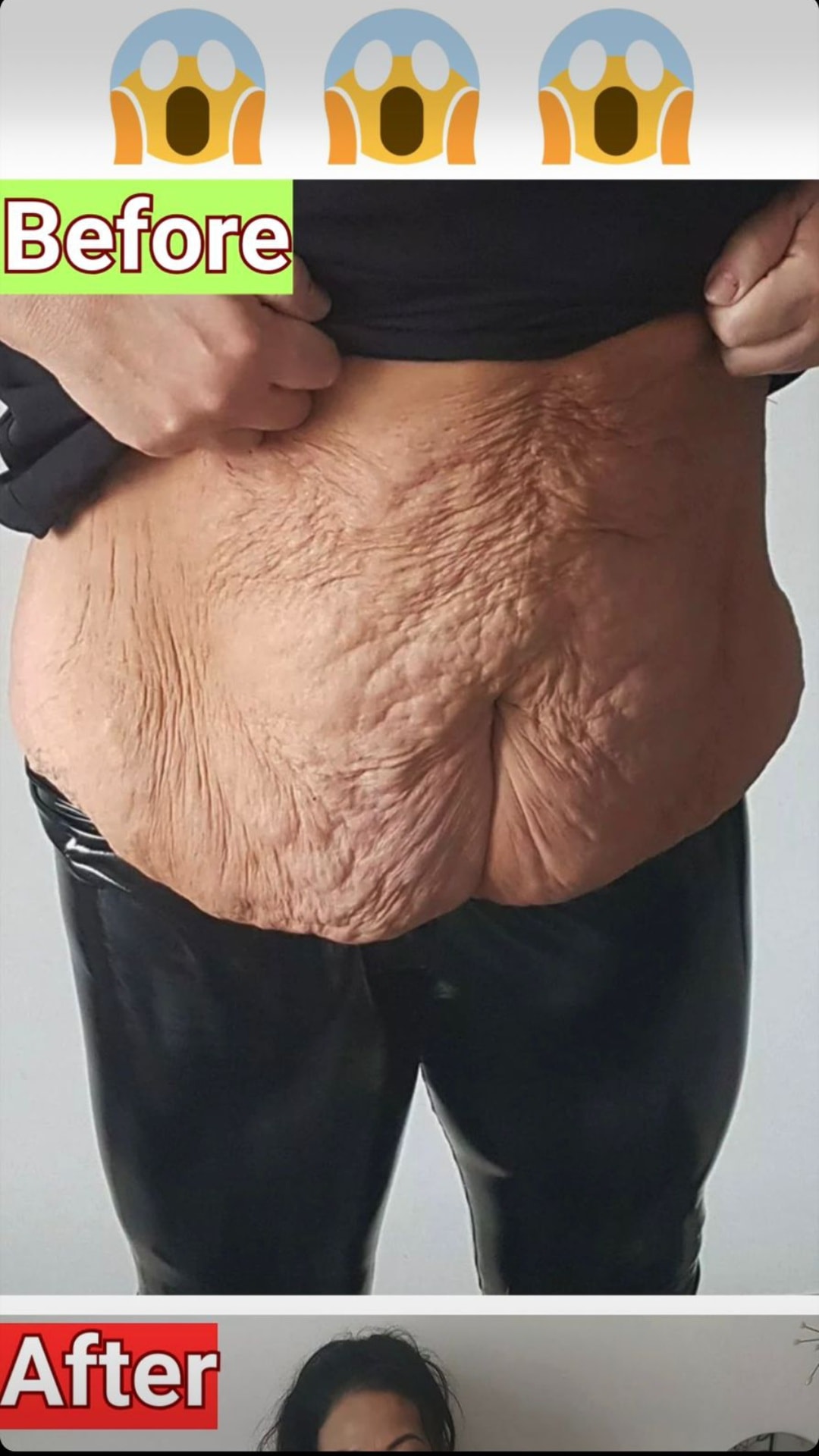
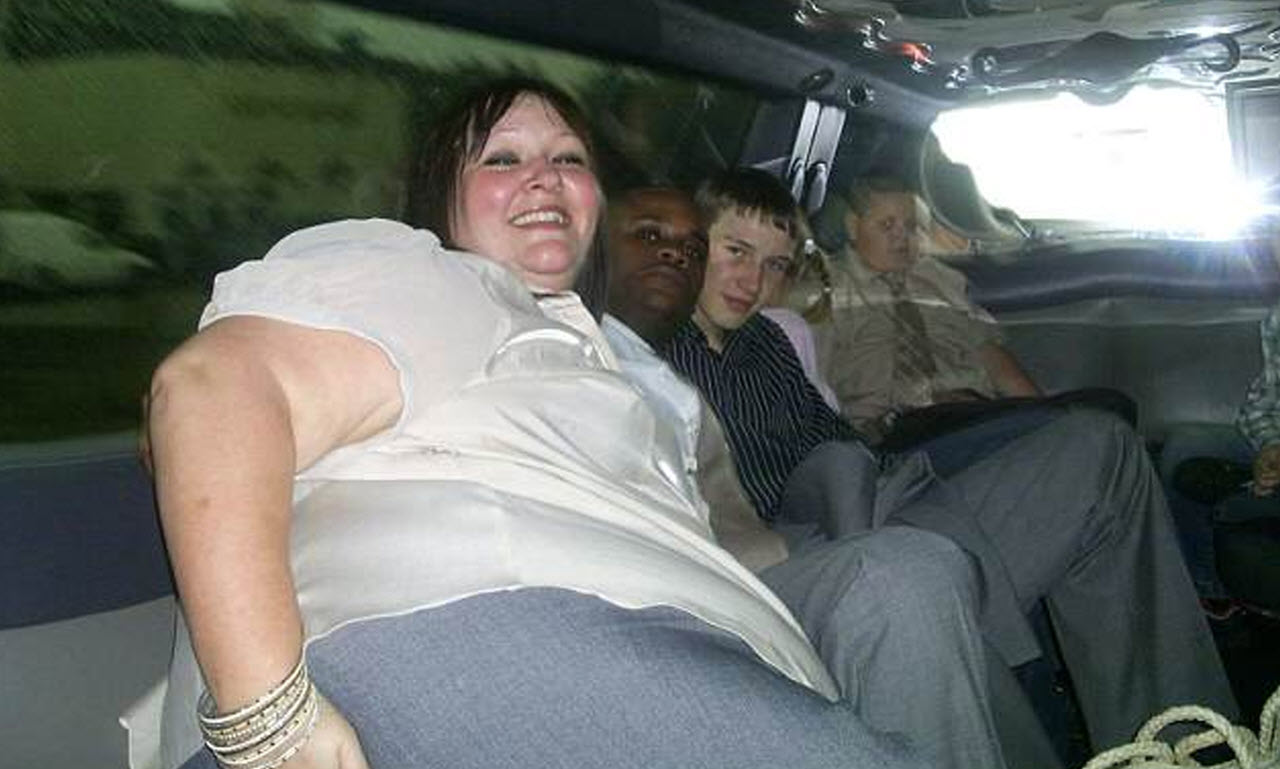
After years of changing her eating habits and activity levels, a British mother dropped roughly 231 pounds and expected her health journey to move forward. Instead, she says NHS providers later told her that putting weight back on could be necessary before excess skin surgery would even be considered.
When people lose large amounts of weight, the body does not always adjust the way they expect. Skin stretched over many years can remain long after the weight is gone. That leftover skin can rub, pull, and stay uncomfortable, turning everyday movement and basic care into ongoing challenges.
Despite those issues, NHS guidance usually places excess skin removal in the cosmetic category. Because of that, treatment is not routinely offered unless the problem seriously limits normal function. Patients are expected to meet defined targets, including reaching and holding a certain weight, before funding is reviewed.
In some cases, meeting those targets can mean changing weight again to fit policy boundaries. For someone who worked to lose hundreds of pounds, that advice can feel discouraging and hard to make sense of. The rules feel fixed, even when personal situations are not.
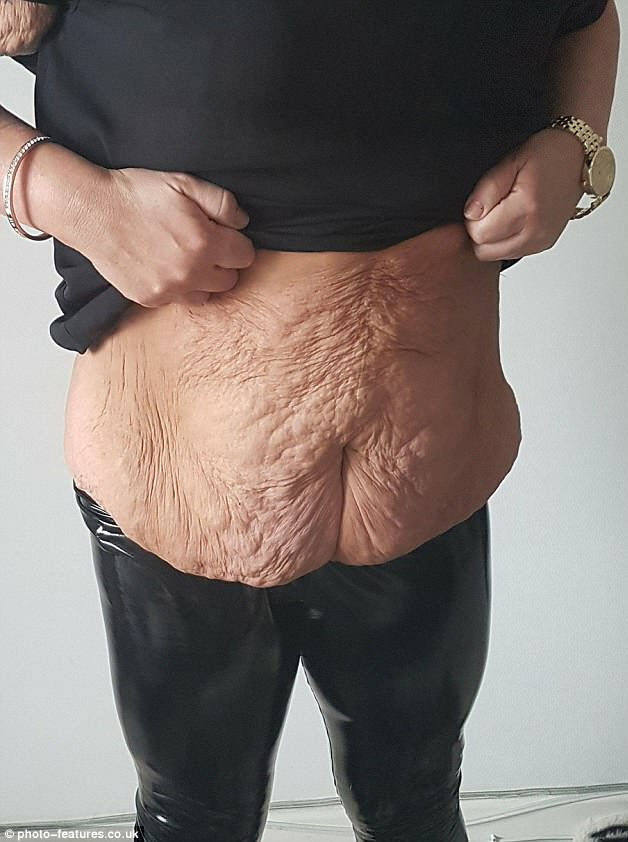
As a result, many people find themselves stuck between improvement and access. Some explore private surgery or fundraising options, while others continue living with the physical and emotional effects. The gap in post weight loss care remains a source of frustration for patients navigating the system.
