

In March 2012, Richard Norris underwent the most extensive face transplant ever performed at the University of Maryland Medical Center—a groundbreaking 36-hour procedure that replaced his entire face, from jaw to tongue to skin and muscle, leaving only his eyes and the back of his throat untouched. The donor was Joshua Aversano, 21, who had tragically died in a traffic accident. This extraordinary surgery came after a 1997 gun accident had left Norris severely disfigured, forcing him into years of isolation.
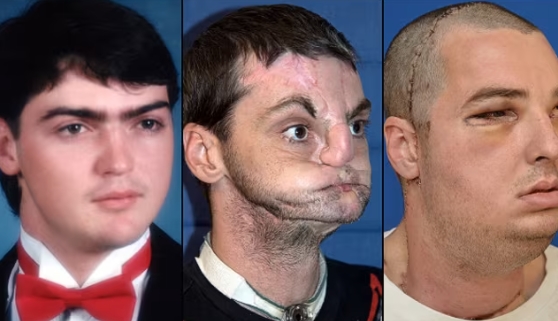
The transplant transformed Richard’s life in ways he had never imagined. Once a recluse who shopped only at night and hid behind surgical masks, he regained the confidence to rejoin society. In 2012, he shared, “People used to stare at me because of my disfigurement. Now they can stare at me in amazement and in the transformation I have taken.” The new face allowed him to move freely, experience human connection again, and be seen not for his injuries, but for the person he truly is.
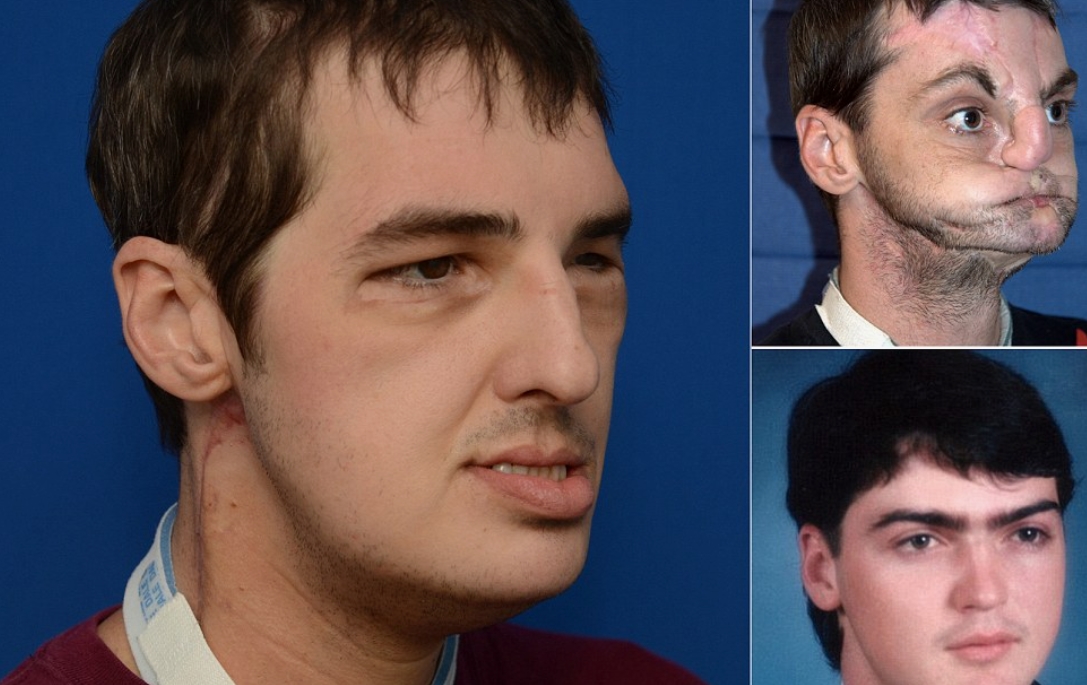
Richard has consistently expressed deep gratitude to the surgical team and, most profoundly, to Joshua’s family. Speaking at a fundraising gala, he said, “Thank you, Joshua. We will always be grateful to you and your family for this gift of life.” His words reflect the profound generosity and courage of the donor family, whose decision allowed a man to be reborn in both body and spirit.
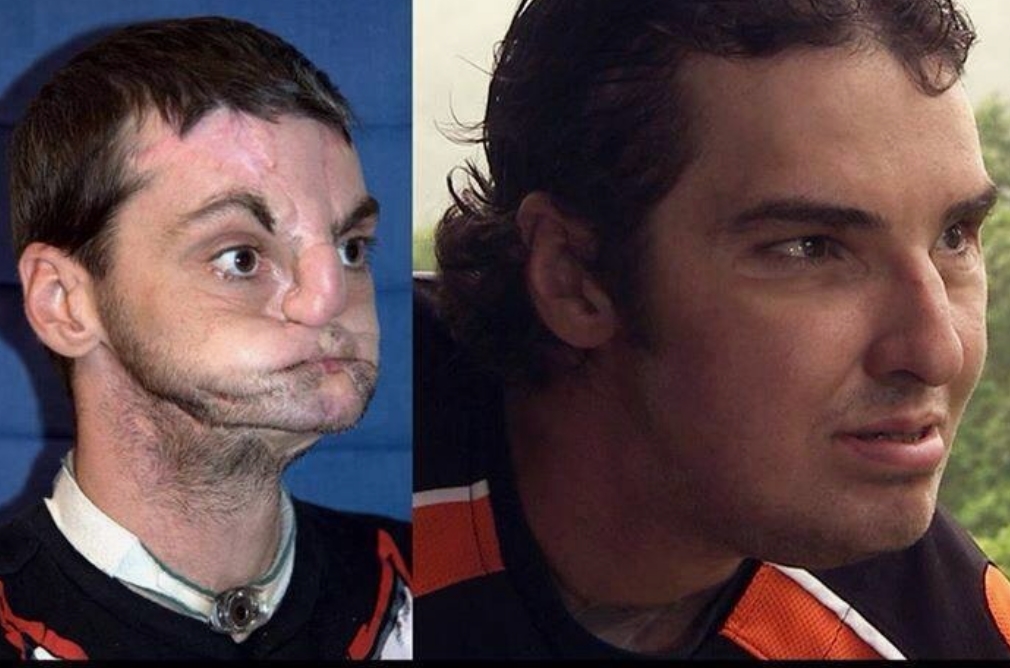
The emotional magnitude of the transplant was brought into sharp focus during his first meeting with Joshua’s sister, Rebekah Aversano, filmed for 60 Minutes Australia. When she asked if she could touch Richard’s new face, he immediately consented. As her hand rested on his forehead, she said the words that captured the extraordinary human story behind the surgery: “This is the face that I grew up with.”
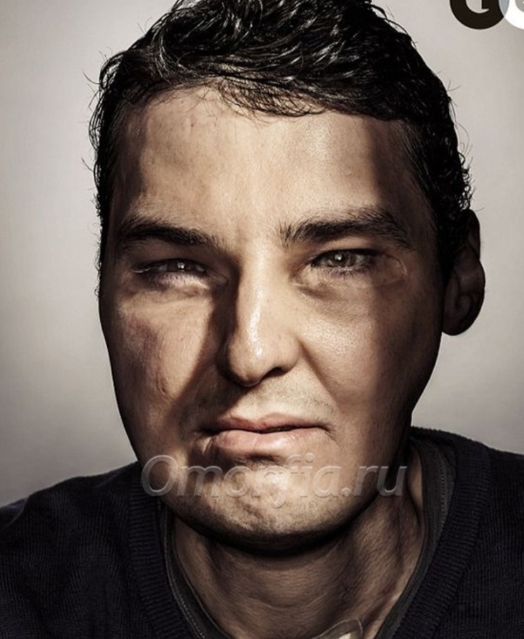
Richard Norris’s journey is a testament to the life-changing power of medical innovation, the generosity of donor families, and the resilience of the human spirit. His story goes beyond medicine—it’s about hope, renewal, and the profound connections that can emerge from tragedy, reminding us of the courage it takes to both give and receive the gift of life.
