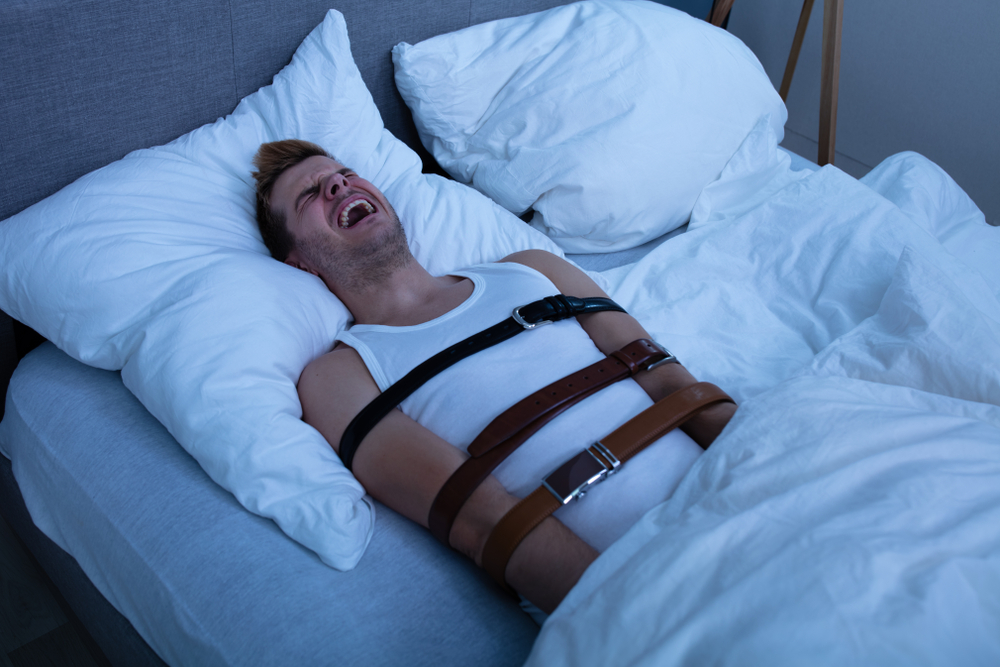
Understanding the Strange Sensation of Being Awake but Unable to Move
The topic of Strange Sensation raises many questions. Waking up in the middle of the night with a fully alert mind, yet finding yourself completely unable to speak or shift your body, is a startling experience. This phenomenon, known as sleep paralysis, is a recognized medical condition that occurs during the transition between sleep and wakefulness.
While the sensation can be intensely unsettling, it is a temporary state that is not considered harmful. The condition is more prevalent than commonly believed, affecting a significant portion of the population at some point in their lives.
A Common but Often Misunderstood Condition
Sleep paralysis typically happens in the brief moments before falling asleep or immediately upon waking. During these episodes, the individual is conscious but loses the ability to control their voluntary muscles. This can be accompanied by a range of distressing sensations, including vivid hallucinations, a feeling of pressure on the chest, or the unsettling perception of being outside one’s own physical form.
Medical experts classify this as a type of parasomnia, which is an undesired event or experience that occurs during sleep. The episodes are generally brief, lasting from a few seconds to a couple of minutes, though some individuals report episodes that extend for a longer duration.
The Science Behind the Sleep-Wake Mismatch
The root cause lies in the natural mechanics of the sleep cycle. During the REM stage, which is when most dreaming occurs, the brain intentionally paralyzes the body’s muscles to prevent a person from physically acting out their dreams. Sleep paralysis arises when the mind regains consciousness before this temporary muscle shutdown has been fully reversed.
This creates a state where the brain is awake, but the body remains in a state of sleep-induced immobility. Certain factors are known to increase the likelihood of these episodes. Research suggests that individuals experiencing high levels of stress, significant exhaustion, or chronic sleep deprivation are more prone to this condition.
Historical and Cultural Explanations
This phenomenon is not a modern discovery. Historical records show that humans have sought to explain this experience for centuries. Ancient medical texts from Persia described it as early as the 900s, and a documented case was recorded by a Dutch physician in the 17th century.
Different cultures have developed their own unique folklore to explain the terrifying sensation. In Japan, it is referred to as being “bound by steel,” while Chinese traditions call it “ghost pressure.” In parts of Africa, the experience is described as “a devil riding on your back.” These cultural narratives highlight the universal and historically consistent nature of the experience.
Strange Sensation: Managing and Preventing Episodes
For those who experience an episode, there are strategies to help break the cycle of paralysis. Experts suggest focusing intensely on slow, deliberate breathing. Attempting to move a single small muscle, such as a finger or a toe, can also be effective. Once a small amount of movement is achieved, the rest of the body typically follows, and the episode resolves.
While the fear it induces is real, sleep paralysis is a natural and temporary phenomenon. Raising awareness about this condition can help demystify it, reassuring those who experience it that they are not alone and that the disturbing sensation is a harmless, explainable event.
