Former Pimp My Ride Contestant Reveals Harsh Reality Behind Iconic MTV Makeover
The topic of Former Pimp Ride Contestant raises many questions. The flashy transformations featured on the hit MTV series Pimp My Ride captivated audiences for years, turning dilapidated vehicles into jaw-dropping showcases of automotive excess. However, a growing number of former participants have stepped forward to share a far less glamorous narrative about their time on the popular program.
Between 2004 and 2007, rapper Xzibit hosted the show, which took worn-out, unreliable cars and gave them spectacular makeovers. These rebuilds often included vibrant paint schemes, powerful audio systems, and unusual gadgets tailored specifically to each vehicle owner’s interests and lifestyle.
While the finished products appeared impressive on television, several individuals who went through the experience have since revealed that the behind-the-scenes reality was much different from what viewers witnessed. Their accounts paint a picture of hidden complications, extended waits, and modifications that did not always stand the test of time.
A Hidden Secret Behind the Scenes
One of the most recent voices to join this conversation is Freddy Hernandez, an automotive enthusiast who runs a popular YouTube channel under the name Tavarish. Hernandez, who has amassed a following of 3.13 million subscribers, recently shared insights that challenge the show’s on-screen narrative.
His perspective stems from a personal project involving a 1999 minivan that previously appeared on the program. After purchasing the vehicle for just $850 and successfully restoring it, Hernandez claims he uncovered a significant detail about how the show operated behind closed doors.
In a video that has since drawn more than 15 million views, Hernandez disclosed what he describes as one of the production’s best-kept secrets. He stated that the cars featured on screen were not always the ones that originally belonged to the contestants.
According to Hernandez, the production team frequently used substitute vehicles that closely resembled the originals. This approach was reportedly taken because many of the actual cars brought in by participants were in such poor condition that they could not be safely or practically modified for the show.
A Contestant’s Disappointing Experience
Hernandez is not alone in questioning the authenticity of what appeared on screen. Justin Dearinger, a former contestant from the show’s final season, has also spoken publicly about his experience, which he says was far from the dream scenario depicted on television.
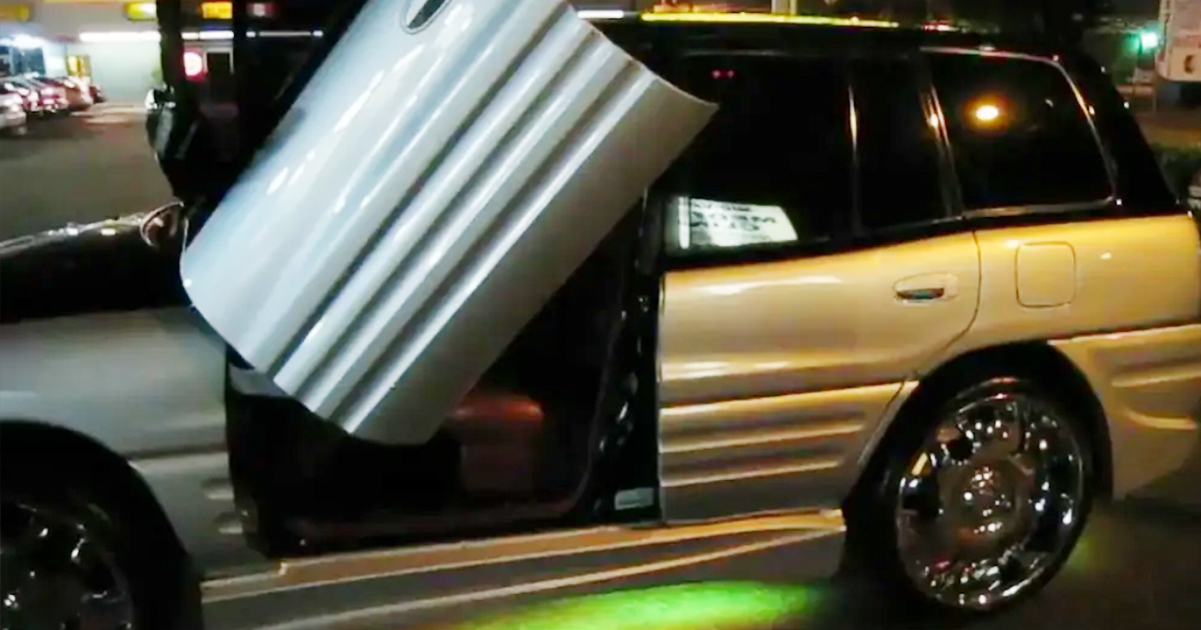
Dearinger was just 19 years old when he appeared on the program, hoping that producers could revitalize his beloved 1997 Toyota RAV4. The vehicle had seen better days, and he was eager to see it transformed into something special.
The young contestant soon learned that the timeline presented on the show did not match reality. While episodes made it seem like the cars were completed quickly, Dearinger says MTV actually held onto his SUV for approximately five months. During this extended period, the production provided him with $2,000 to rent a temporary replacement vehicle.
A Date-Night Transformation
When Dearinger finally received his RAV4 back, the vehicle had undergone a complete transformation designed to cater to a romantic theme. The customized SUV featured bright red upholstery throughout the interior, giving it a bold and eye-catching appearance.
The makeover also included several unusual additions that were meant to enhance the dating experience. A chocolate fountain was installed for sweet treats, while a rose dispenser provided flowers on demand. A pop-up champagne holder was designed to elevate special occasions, and a television was mounted beneath the hood to recreate the atmosphere of a drive-in movie theater.
On the surface, this appeared to be another successful Pimp My Ride story, complete with all the over-the-top elements that made the show so popular. However, Dearinger’s reaction to the reveal was not what viewers might have expected from watching the program.
Disappointment and Shock
Rather than feeling thrilled by the dramatic makeover, Dearinger described feeling shocked by what he saw. He later shared his honest assessment of the experience in an online forum, where he answered questions from curious fans about his time on the show.
Dearinger expressed disappointment with several aspects of the transformation. He described the interior as terrible and revealed that he did not care for the color scheme that had been chosen for the vehicle. The reveal itself was also an awkward experience, as he found himself surrounded by unfamiliar people during the filming.
His candid comments paint a picture of a young man who was less than impressed with the highly anticipated result. The mismatch between what viewers saw on television and what Dearinger experienced in person highlights the disconnect that can exist between entertainment and reality.
Missing Features and Removed Gadgets
Perhaps even more disappointing was the discovery that many of the features showcased on television did not remain with the vehicle after filming concluded. Dearinger revealed that the production team removed a significant portion of the items that viewers had seen during the episode.
Notable examples included the pop-up champagne holder and the drive-in theater setup. While these features were prominently displayed during the show, they were taken out before the car was returned to its owner. Dearinger noted that he did at least receive the projector that was part of the theater system.
Larry Hochberg, who served as co-executive producer for the show, addressed this practice in a 2015 interview. He explained that certain features were removed after filming out of caution, particularly when they could pose safety concerns for everyday driving. Hochberg acknowledged that some participants interpreted these removals as the show taking away items that had been promised.
Underlying Mechanical Issues
While the missing gadgets were certainly frustrating, Dearinger indicated that the most significant letdown was the overall condition of the vehicle. Although the RAV4 looked improved on the surface, it reportedly still suffered from underlying mechanical problems.
He described the work done on the car as cosmetic in nature, suggesting that the modifications were primarily superficial rather than addressing any real mechanical needs. The vehicle may have looked better than before, but it apparently did not perform much better.
Despite his disappointment, Dearinger maintained a somewhat positive outlook on the overall experience. He expressed gratitude simply for having his car returned to him, even if the transformation did not live up to his expectations. He acknowledged that the situation was not ideal but said he was just relieved to have his vehicle back.
Former Pimp Ride Contestant: A Costly Aftermath
The story of Dearinger’s RAV4 did not end with the show. In the years that followed, he invested approximately $20,000 into repairing and upgrading the SUV in an attempt to make it more reliable and enjoyable to drive.
Tragically, these efforts were ultimately undone when the vehicle exploded due to faulty wiring. The problematic wiring had been installed by the shop that performed the final repairs on the car, leading to a devastating end for the customized SUV.
This unfortunate conclusion adds another layer to Dearinger’s complicated relationship with the vehicle and the show that transformed it. What began as a hopeful appearance on a popular television program ultimately resulted in years of frustration, significant expense, and finally, the complete loss of the car.
The revelations from Hernandez and Dearinger offer a compelling counterpoint to the polished image presented by Pimp My Ride. Their experiences suggest that the magic of television does not always translate into real-world satisfaction, and that the elaborate transformations viewers admired were sometimes more about spectacle than substance.
For fans of the show who remember the excitement of each dramatic reveal, these behind-the-scenes accounts provide a thought-provoking look at what actually happened after the cameras stopped rolling. The contrast between the entertainment value of the program and the real experiences of its participants raises interesting questions about the nature of reality television and the expectations it creates.
