New Broadcasting Rules Target Inappropriate Camera Angles in Women’s Athletics
The topic of Women’s Athletics raises many questions. The European Broadcasting Union has introduced a new set of guidelines designed to prevent sports photographers and camera operators from capturing footage of female athletes in ways that could be viewed as sexualized.
The comprehensive 23-page document, titled Raising the Bar: Guidelines for Respectful Media Coverage in Women’s Athletics, was developed in partnership with European Athletics and received input from several prominent female competitors in the sport.
This initiative marks a significant step forward in the ongoing effort to ensure that media coverage of women’s sports maintains a focus on athletic achievement rather than physical appearance.
Detailed Visual Guidance for Broadcast Teams
The newly published document includes detailed visual illustrations that show camera operators exactly which angles and shots are considered acceptable and which ones should be avoided during live broadcasts.
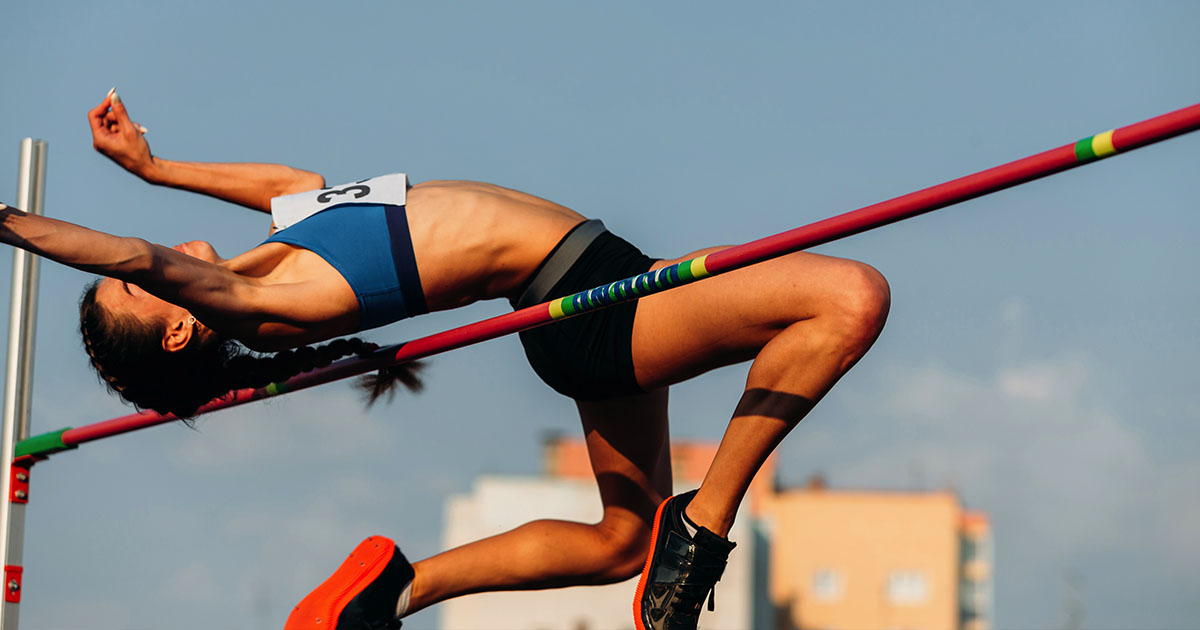
These visual examples cover a wide range of athletic events, including high jump, pole vault, horizontal jumps, and various running disciplines where athletes compete in close proximity to cameras positioned around the track and field.
The guidelines specifically call out low-angle shots that can inadvertently focus on parts of the body rather than the athletic movement being performed.
Unnecessary slow-motion footage that lingers on athletes in ways that shift the viewer’s attention away from the sporting action is also addressed in the document.
Other framing choices that redirect focus from athletic performance to other aspects of the competitor’s appearance are similarly highlighted as problematic.
Balancing Storytelling with Respect
The European Broadcasting Union was careful to emphasize that this document should not be viewed as a restrictive list of prohibitions that would limit creative broadcasting.
Officials stated clearly that the most compromising shots can be avoided without any loss of storytelling quality or visual excellence in the final broadcast product.
The organization believes that broadcasters can maintain high production values while also respecting the athletes who are competing at the highest levels of their sport.
This approach suggests that the guidelines are meant to serve as an educational tool rather than a punitive measure against camera operators and production teams.
The collaboration with European Athletics and the involvement of female athletes themselves indicates that the guidelines were developed with direct input from those most affected by the issue.
Growing Movement Within Sports Broadcasting
This new initiative from the European Broadcasting Union is not the first attempt to address the persistent problem of inappropriate camera work in women’s athletics.
During the 2024 Paris Olympics, the chief executive officer of Olympic Broadcasting Services issued a direct order to camera operators regarding how they should film athletes.
That directive instructed camera crews to film male and female athletes using the same techniques and standards to avoid what the executive described as stereotypes and sexism in Olympic coverage.
The conversation around how women’s sport is filmed and presented to audiences has been building momentum ever since that directive was issued during the Paris Games.
Many observers have noted that the issue extends beyond just the Olympics and affects women’s athletics at all levels of competition throughout the year.
Swift and Harsh Social Media Reaction
The response to the new guidelines on social media platforms was immediate and largely negative in tone.
Thousands of crude jokes circulated across various platforms as users reacted to the announcement of the new broadcasting rules.
Some social media users claimed that the guidelines would effectively destroy interest in women’s sport entirely, suggesting that viewership would decline without the types of shots being banned.
One particularly critical comment read that the guidelines had basically killed any interest in female sports, reflecting the sentiment of many who opposed the new rules.
The backlash was not limited to just a few isolated voices, as numerous accounts joined in with similar criticisms of the broadcasting changes.
Many other commenters suggested that women should wear some clothes when they compete, implying that the solution to inappropriate camera angles was for athletes to change their attire.
Counterarguments to the Criticism
Those who disagreed with the critical comments pointed out that sports governing bodies actually require female athletes to wear the specific outfits that are worn during competition.
This means that athletes have little choice in what they wear when they compete, making suggestions about clothing changes impractical and uninformed.
The counterarguments emphasized that the responsibility for appropriate coverage lies with broadcasters and camera operators rather than with the athletes themselves.
Supporters of the guidelines noted that male athletes are rarely subjected to the same types of camera angles and slow-motion replays that have become common in women’s events.
Women’s Athletics: Impact on Future Broadcasts
The release of these guidelines is expected to influence how future athletics events are broadcast to audiences around the world.
Camera operators and production teams will need to familiarize themselves with the visual examples provided in the document to ensure compliance during live events.
The guidelines may also affect how training materials are developed for broadcasting professionals who cover athletics competitions.
Broadcasters who work with the European Broadcasting Union will likely incorporate these standards into their standard operating procedures for women’s athletics coverage.
The document’s emphasis on maintaining visual quality while avoiding compromising shots suggests that production values should not suffer as a result of these changes.
As the conversation about respectful media coverage continues to evolve, these guidelines represent a concrete step toward changing how women’s athletics is presented to the public.
The involvement of prominent female athletes in developing the guidelines ensures that the perspectives of competitors were considered throughout the process.
Whether other sports organizations will follow suit with similar guidelines remains to be seen, but the precedent has now been established in athletics.
The debate over these guidelines is likely to continue as broadcasters begin implementing the recommendations in their coverage of upcoming events.
Supporters of the changes argue that focusing on athletic performance rather than physical appearance will ultimately strengthen the appeal of women’s sports.
Critics remain skeptical, but the guidelines are now in place and will shape how future broadcasts are produced and delivered to audiences worldwide.
