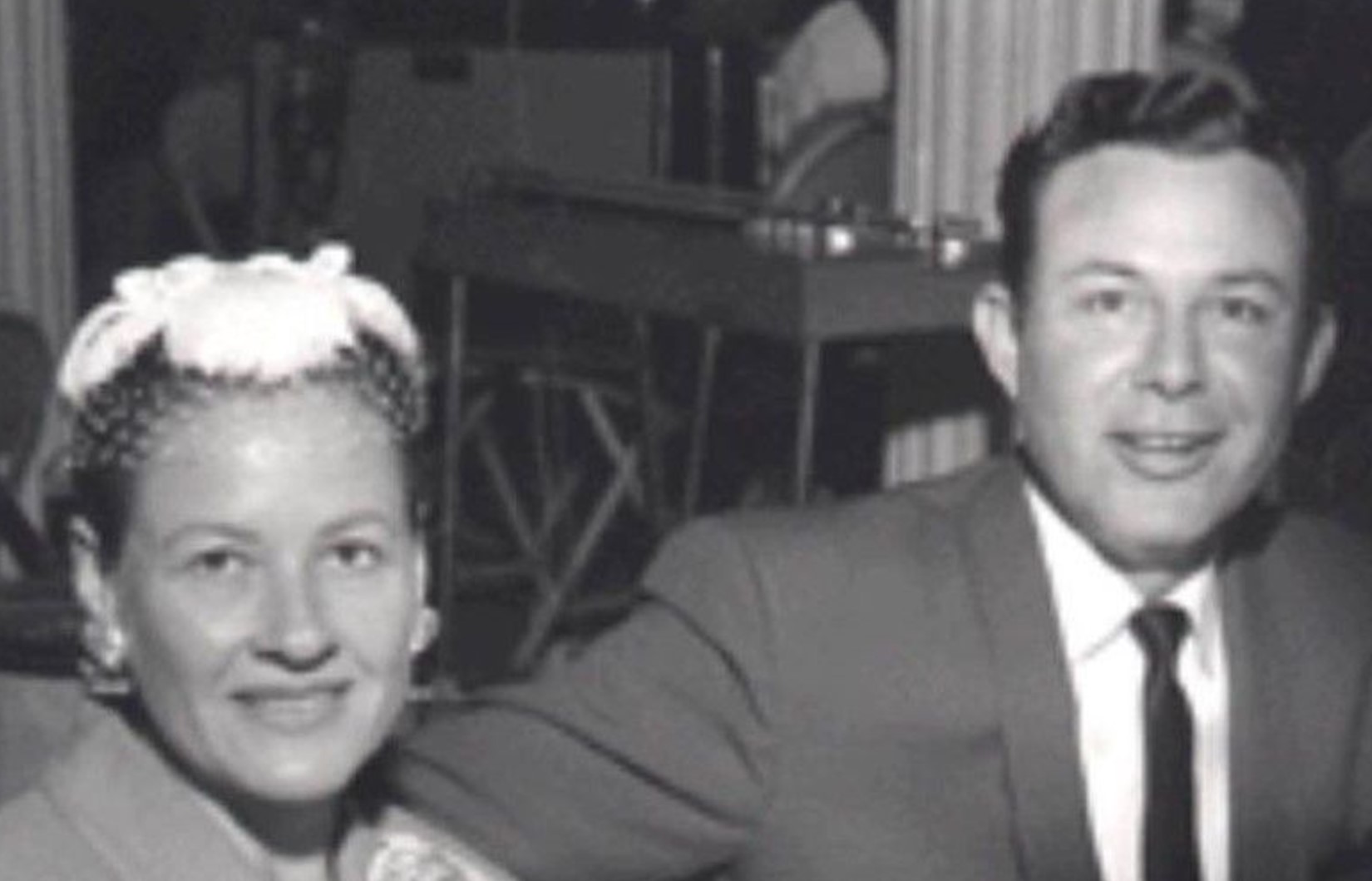
Jim Reeves and the Timeless Appeal of “He’ll Have to Go”
In 1960, the landscape of popular music shifted in a profound way. Jim Reeves released a track that would not only dominate charts but also redefine the boundaries between country and pop. The song, “He’ll Have to Go,” arrived at a time when the music industry was evolving, and its arrival signaled a new era of sophistication for Nashville.
With its smooth vocal delivery and lush, carefully arranged orchestration, the record became a massive success. It served as a bridge, connecting the emotional storytelling of country music with the polished production values that mainstream audiences were beginning to expect. For Reeves, it was the moment that elevated him from a country star to a genuine legend. His voice, often described as pure velvet, carried a warmth that was both inviting and deeply expressive. His style was sophisticated and polished, setting him apart from many of his contemporaries. The song itself became a cultural phenomenon, a track that resonated with millions and firmly established Jim Reeves as one of Nashville’s finest talents.
The Story Behind the Song
Jim Reeves was not just another country singer. Known affectionately as “Gentleman Jim,” he possessed a remarkable ability to blend sophistication with the raw, heartfelt emotion that defines country music. This unique combination made him stand out in a crowded field of talented artists. His background was rooted in Texas, where he initially worked as a radio announcer before committing fully to a career in music. That experience in broadcasting gave him a distinctive understanding of how to connect with an audience, a skill that would serve him well throughout his career.
By the time “He’ll Have to Go” was released, Reeves was already an established country star. However, this particular song pushed him into an entirely different stratosphere of fame and recognition. It was not just about the melody or the lyrics; it was about the entire vibe he brought to the recording. The atmosphere he created in the studio, the subtle nuances of his delivery, and the overall mood of the track all contributed to its enduring appeal.
The backstory of the song is just as compelling as the final product. The track was written by Joe and Audrey Allison, and its inspiration came from a real-life moment that Joe overheard. He was at a bar when he noticed a man on the phone with his lover. The man was pleading with her, begging her to get closer to the phone, desperately trying to win her back. This simple, relatable scene became the heart of the song. The opening line, “Put your sweet lips a little closer to the phone,” captures that moment perfectly. It is a simple phrase, but it carries a perfect mix of longing and vulnerability that resonated with listeners everywhere.
A Milestone for Country Music
When Jim Reeves stepped up to record the track, he did not just sing the words; he felt them deeply. The production was kept minimal, with just enough backing instrumentation to allow his voice to take center stage. Chet Atkins, the legendary producer behind the project, made a conscious effort to keep things subtle. The result was an intimate, emotional track that drew listeners in from the very first note. The quiet confidence of the arrangement allowed the power of the lyrics and the warmth of Reeves’ voice to shine through without any unnecessary distractions.
The song quickly ascended the charts, topping the Billboard Country Chart with ease. It also achieved significant crossover success, reaching the number two spot on the Pop Chart. This was a huge moment for country music. It demonstrated that the genre could achieve mainstream popularity without sacrificing its soul or its authenticity. The success of “He’ll Have to Go” opened doors for other country artists and proved that the genre had a place in the broader landscape of popular music.
The impact of the song extended far beyond its chart performance. It became a cultural touchstone, a track that people from all walks of life could relate to. The themes of heartbreak and pleading are universal. Everyone has experienced a moment of vulnerability or a desperate desire to reconnect with someone they love. Jim’s delivery captured that sentiment perfectly. He struck a balance between confidence and vulnerability, never overdoing the emotional aspects but letting his voice convey the depth of feeling naturally.
The Rise of a Global Star
With the overwhelming success of “He’ll Have to Go,” Jim Reeves was suddenly transformed into a global star. He embarked on tours around the world, bringing the sound of country music to audiences that had never experienced it before. He was no longer just a country singer; he had become an international ambassador for the genre. His smooth, polished sound helped redefine what country music could be, proving that it could be sophisticated, emotionally resonant, and commercially successful all at once.
It is important to recognize that “He’ll Have to Go” was more than just a hit record; it was a game-changer. The song played a significant role in popularizing what became known as the Nashville Sound. This was a more polished, orchestral style of country music that was easier for mainstream audiences to digest. The production techniques and arrangements used on this track became a blueprint for future artists who sought to mix country with other musical influences. The influence of this style can still be heard in modern country music today.
The song’s influence did not stop with its initial release. It inspired countless covers by a wide range of artists, including notable names like Elvis Presley and Ry Cooder. However, despite the many interpretations over the years, no one managed to replicate the magic of Jim’s original version. His rendition remains the definitive one, the version that continues to be remembered and cherished by fans around the world.
Jim Reeves: The Tragic End and Enduring Legacy
Sadly, Jim Reeves’ life was cut tragically short. In 1964, he died in a plane crash at the young age of 40. His untimely death left a huge void in the music world. However, his music, and especially “He’ll Have to Go,” has ensured that his legacy lives on. The song remained a staple on jukeboxes and radio stations for years after his passing, guaranteeing that his smooth baritone voice would never be forgotten by the public.
In recognition of his immense contributions to the genre, Jim Reeves was posthumously inducted into the Country Music Hall of Fame. This honor cemented his place as one of the all-time greats in the history of country music. His influence on the genre is undeniable, and his body of work continues to be studied and admired by musicians and fans alike.
Today, “He’ll Have to Go” is still regarded as one of the most beloved country songs ever recorded. It has been featured in movies, television shows, and commercials, introducing its timeless quality to new generations of listeners. The magic of the song lies in its simplicity. It is raw emotion wrapped in a timeless melody, a combination that is difficult to achieve and even harder to replicate. It is simply one of those songs that never gets old, maintaining its relevance and emotional impact decades after its initial release.
Jim’s ability to blend country with pop is a legacy that is still felt across the music industry today. Contemporary artists like Shania Twain, Taylor Swift, and Keith Urban owe a great deal to Jim Reeves for demonstrating that country music could cross over into the mainstream without losing its authenticity. “He’ll Have to Go” was not just a hit; it was a defining moment in music history. It will remain a classic for years to come, a testament to the enduring power of a great song performed by a truly gifted artist.
Jim Reeves proved that country music could be emotional, sophisticated, and universal. “He’ll Have to Go” was not merely a song; it was a movement. It continues to resonate with audiences today, showing the timeless power of music to connect with people and inspire them across generations. The track stands as a monument to his incredible talent and a reminder of the profound impact one artist can have on the world.
